


A Successful Short-term Rental Starts With a Love of People and Hospitality
Once in a while, someone posts something in one of the many “hosts helping hosts” Facebook groups that makes me do a double take.
A couple of weeks back, I came across one of those posts.
The post began with a statement that hit me like a ton of bricks:
“I hate hosting and wish we’d never started it.”
I felt sorry for the host. They had been brave enough to enter the world of short-term rentals, but it was clearly not what they had expected, and things were not working out for them.
But then I asked myself another question.
Why would anyone continue doing something they really hate?
The post went on for several paragraphs describing bad reviews, damaged carpets, demanding guests, cleaning frustrations, complaints about fire doors, broken toilets, and a growing sense of despair.
It was actually quite sad to read.
I really felt the host’s pain. Anyone who has been in this business for more than a few months knows that hosting can be stressful, unpredictable, and occasionally downright exhausting.
But I kept coming back to the same question:
Was this really a guest problem, or was it something else?
Many people are attracted by the idea of earning additional income from a second home that isn’t being used very often. The online travel agencies make it look easy. Take a few photos, upload a listing, accept bookings, and watch the money roll in.
If only it were that simple.
The reality is something quite different.
Hosting takes time, dedication, care, attention to detail, and a genuine love of people. It demands far more effort than most people expect and isn’t the passive income business many imagine it to be.
Reading this post immediately took me back to Chapter 2 of my book, The Essential Qualities for 5-Star Hosting Success.
Guest expectations have risen to extraordinarily high levels, and the OTAs place enormous pressure on hosts to achieve 5-star reviews. Aiming for anything less is rarely acceptable.
But before you jump into the boat and start rowing, there is one important question every prospective host should ask themselves:
Do I really have what it takes to be a 5-star host?
That Facebook post became a fascinating real-life case study of what it takes to deliver a truly exceptional guest experience:-
1. Enjoy Your Job
The host openly admitted:
“I hate hosting.”
This isn’t a guest problem, it’s a hospitality problem.
One of the most important qualities of a successful host is a genuine love of people and a desire to make others feel welcome. Hospitality is about creating experiences, helping people, solving problems, and taking pride in making someone’s trip special.
If you don’t enjoy those things, hosting can quickly become stressful, exhausting, and emotionally draining.
2. Communication Skills

The host mentioned several times that they dreaded interacting with guests and worried constantly about what the next review might reveal.
Successful hosting relies heavily on communication – before, during, and after the stay. And not just messaging through an app, but sometimes real, live, old-fashioned phone calls too.
The best hosts don’t avoid guest feedback; they actively seek it.
Great communication builds trust, reduces misunderstandings, and often prevents small issues from turning into major complaints. It also reassures guests that there is a real person behind the listing who truly cares about their experience.
3. The Devil Is in the Details

The details: stained lampshade, ruffled bed-throw
One of my favourite sayings throughout the book is:
The devil is in the details.
Guests complained about:
- Wine glass sizes
- Chopping boards
- Missing cookware
- Dishwasher issues
- Fire doors
- Cleaning inconsistencies
- Garden presentation
The host appeared frustrated that guests were focusing on what they considered to be small things. Yet even after several reviews highlighted the same issues, they seemed reluctant to make the changes that could have improved guest satisfaction and potentially led to better reviews.
Remember – guests always notice the little things.
Other issues mentioned in the post could have been addressed relatively easily through better systems, clearer communication, improved staff training, or simple improvements to the running of the property.
Put yourself in the guest’s shoes.
Would these things affect your stay?
Would they influence your perception of value?
One of the challenges in hosting is that a host’s expectations and a guest’s expectations are not always the same. What seems minor or insignificant to a host may be important to a guest, particularly when they are paying good money and expecting a high standard of accommodation and service.
Guests judge a stay against their own expectations, not yours. That’s why the most successful hosts focus on meeting those expectations consistently and, wherever possible, exceeding them.
After all, it is the guest’s experience that ultimately shapes the review.
4. Good Organizational Skills
The owner managed the property remotely but the cleaners were inconsistent; the parents maintained the garden and the host only visited occasionally.
This is what I call, “hoping and praying” hosting.
Don’t get me wrong.
There is absolutely nothing wrong with remote hosting, many successful hosts manage properties hundreds or even thousands of miles away.
I know, because I did exactly that myself.
However, remote hosting requires excellent systems, clear procedures, quality control, and strong local support.
Without those things, small problems can quickly become bigger ones. A missed maintenance issue, inconsistent cleaning, or a lack of oversight may seem insignificant at first, but guests notice. And when they do, those issues often find their way into reviews.
5. Problem Solving Skills
One comment particularly stood out:
“I feel completely deflated by the constant agro that hosting gives.”
Unfortunately, problems come with the territory.
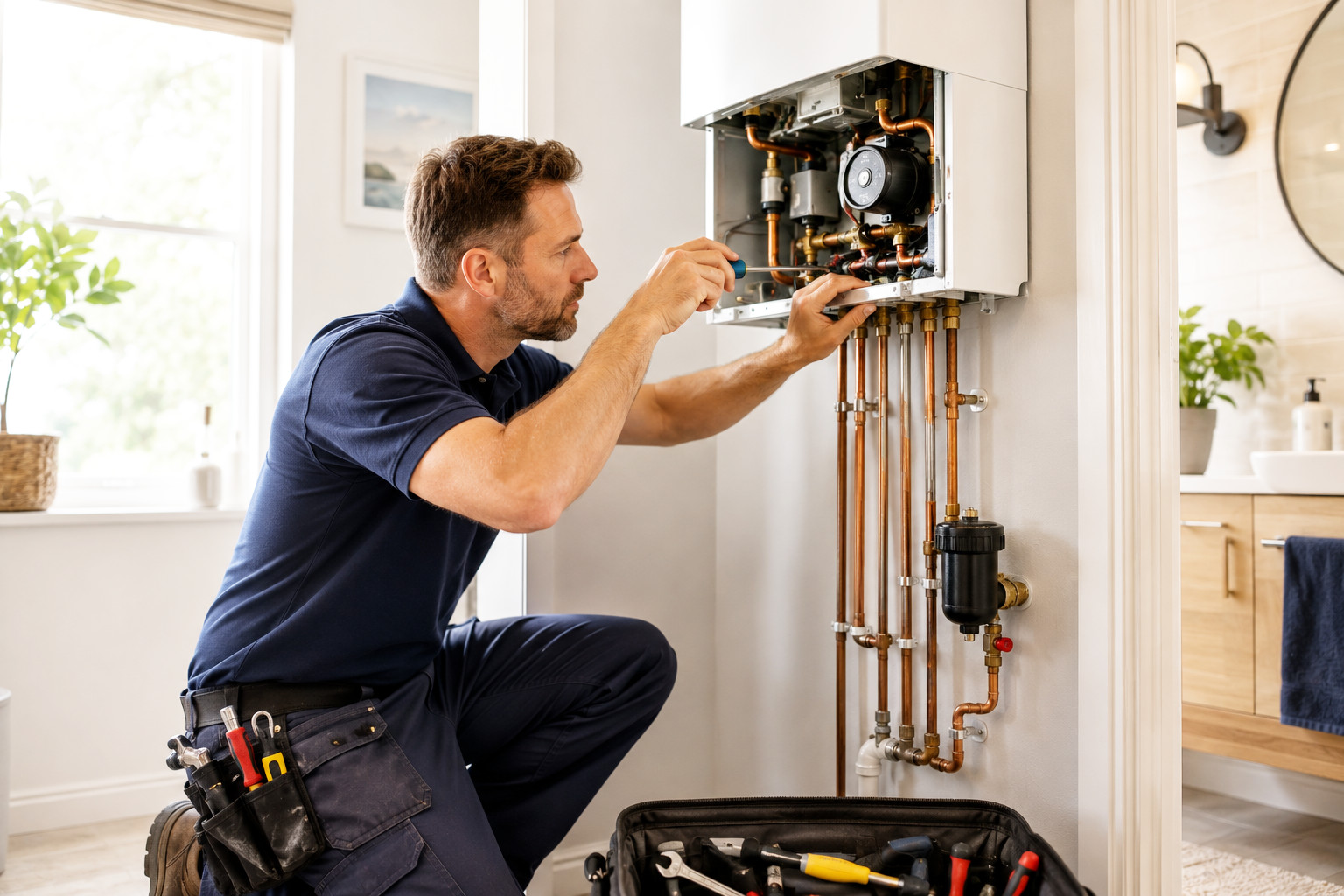
– Hot water boilers break.
– Guests spill wine on the carpet.
– Furniture gets damaged.
– Appliances stop working.
Successful hosts don’t avoid problems.
They expect them.
The difference is that experienced hosts develop systems and have contacts on speed-dial that allow them to respond calmly, efficiently, and professionally when things go wrong.
6. When Reviews become the Enemy
One other sentence stood out to me, almost as much as the one about hating hosting:
“I dread review time.”
That’s a dangerous place for any host to be. Many of us are anxious (me included), but “dread” is a strong emotion.
Reviews are not the enemy.
Reviews are feedback.
They tell us what we’re doing well and where we need to improve.
Guest reviews are the currency of our business. They influence visibility, trust, bookings, pricing power, and long-term success.
The most successful hosts don’t fear reviews.
They learn from them.

7. Pricing and Attracting the Right Guests
One of the underlying themes running through the post was a mismatch between the experience being delivered and what guests expected for the price being charged. The host also wrote:
“The guests we are attracting are just the wrong ones”.
and
“People think we aren’t good value for money”.
Everything starts with the product you’re offering:- Is it clean? Is it comfortable? Is it well-maintained? Does it deliver what today’s guests expect? Is the pricing aligned with the experience being offered?
When the product, positioning, pricing, and guest expectations are aligned, attracting the right guests at the right price becomes much easier. (Pricing isn’t a stab in the dark – don’t forget to make a thorough competitive analysis of your closest competitors to know exactly who and what you are up against. Then you can pitch your price accordingly).
Conclusion: Great Hospitality with a Business Mindset
Perhaps the biggest lesson from this post is that hosting is not for everyone.
And that’s okay.
Not everyone enjoys hospitality.
Not everyone enjoys solving problems at 10 p.m.
Not everyone enjoys guest communication.
Not everyone enjoys reading reviews.
But if you love helping people, creating memorable experiences, solving problems, and running a professional business, hosting can be incredibly rewarding.
The most successful hosts combine two essential traits:
- Great hospitality
- A business mindset
Both matter.
Before you list your property, ask yourself one important question:
Do I have what it takes to be a 5-star host, and am I willing to treat it like a real business?
If this article has left you wondering whether hosting is right for you, I’ve made Chapters 1, 2, and 3 of 5-Star Hosting Made Simple available as a free download.
Inside you’ll learn:
- Why guest reviews matter
- The 8 essential qualities of successful hosts
- How to assess whether hosting is right for you
- The foundations of building a successful 5-star hospitality business
Download it now:
