
At our Airbnb business in Panama, the location was very special.
The villa sat right on the edge of a lake, with extensive views out toward the ocean. There was no fence, no wall, nothing between the garden and the water except a couple of palm trees.
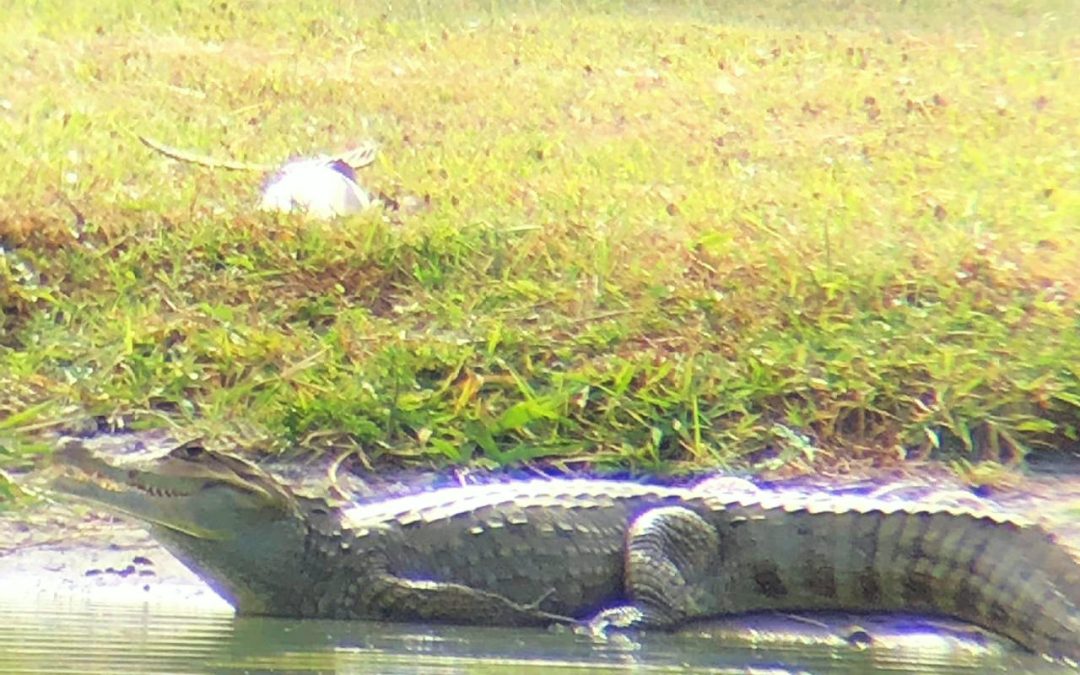
And yes, there were caimans in the lake.
As was their habit, they would emerge from the water early in the morning to sun themselves. Most of the time, we saw them basking on the far side of the lake, where there were no houses or humans.
But occasionally, they ventured into our garden and lay just a few inches from the water.
A six-foot, two-meter caiman in your backyard is enough to take anyone’s breath away. It certainly did mine on more than one occasion, but for the most part, they weren’t really a problem.
Until they were.
The only incidents we really knew about involved dogs, not humans. My neighbor had a pug and swore that a caiman thought he would make a tasty dinner. I am also convinced our own dog had a very close encounter with one, one evening when she came back wet and shaking.
More recently, warning signs have been posted around the lakes at Buenaventura, so the risk is clearly being taken seriously.
But the caimans were not the only concern.
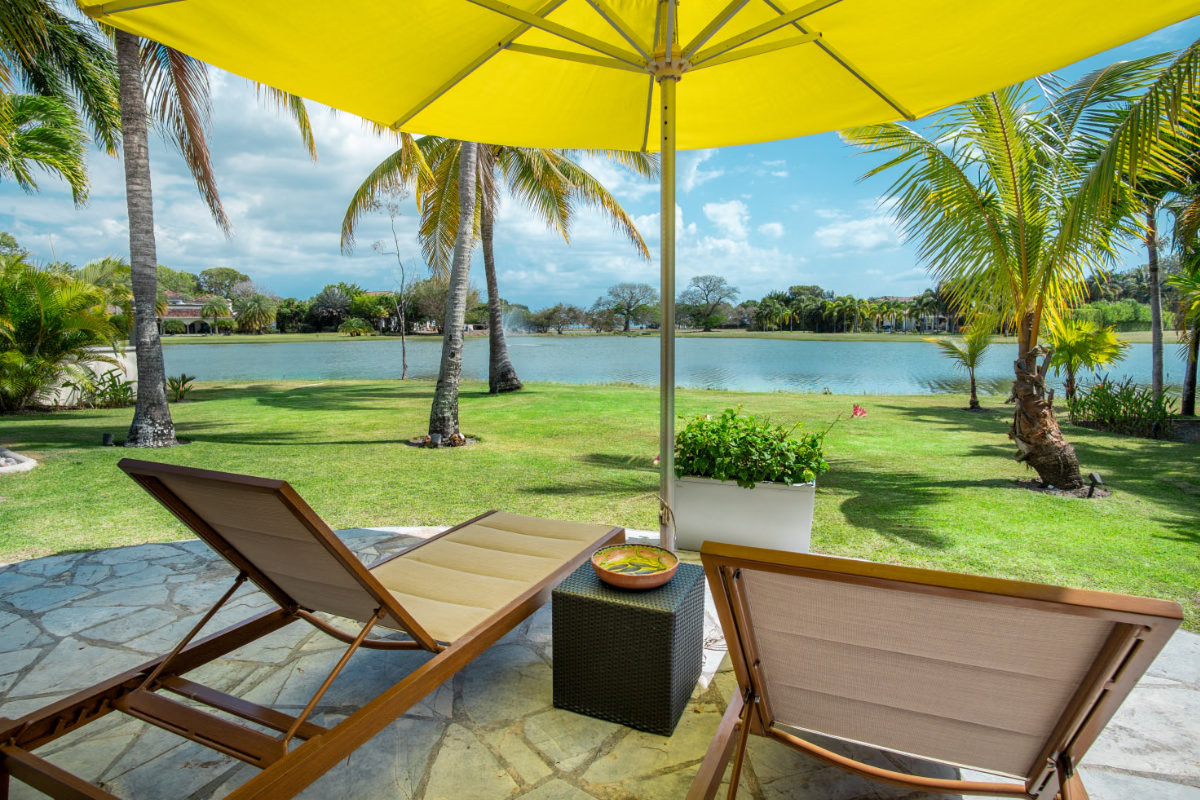
What about the other water features?
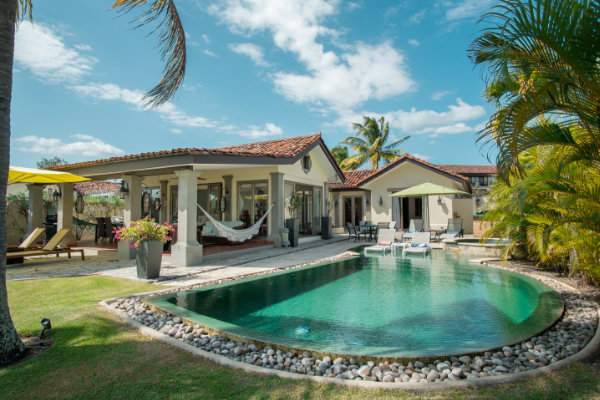
We also had a swimming pool with no fence around it, as well as a small ornamental pond with a gently bubbling fountain. It wasn’t very deep, but nonetheless, it was water.
An unfenced pool was perfectly legal in Panama. But when families with very young children started asking to stay, I wasn’t comfortable simply saying yes.
So for a while, we turned away bookings from families with children under six.
But the requests kept coming.
And eventually I realized the question wasn’t really:
“Should we allow young children to stay?”
It was:
“What would have to change before I felt confident that we could host them safely?”
That question changed the way I thought about safety in a short-term rental.
Unfortunately, there were some things we simply could not change. We could not, and did not want to, fence off the lake or the pool. And we certainly could not control whether a caiman decided to wander up out of the lake into our garden.
So the most important thing we could do was make sure our guests understood the risks before they arrived.
If a family with young children wanted to book, we had a serious conversation with them, on the phone.
We explained that there were caimans in the lake, that the pool was unfenced and that there was also a small ornamental pond in the garden.
We made sure they understood exactly what that meant and gave them the opportunity to cancel if they no longer felt comfortable staying with us.
We also gave very clear instructions. Guests were told never to approach the caimans and to supervise children closely around the pool and other water areas.
It wasn’t about frightening people. It was about making sure they could make an informed decision about whether our property was right for them.
And the most important point is this:
Nothing ever happened.
We hosted families with young children despite the lake, the caimans, the unfenced pool and the pond, and we never had a guest safety incident.
That wasn’t because the risks weren’t real. They were.
It was because we took them seriously, explained them clearly and made sure guests knew exactly what they were booking.
Safety is part of hospitality
That experience made shows you that safety is one of the less visible parts of hospitality.
Guests notice the comfortable bed, the welcome message and the thoughtful extras. What they don’t see are all the things you should have checked before they arrived.
They assume the smoke alarms work.
They assume appliances are safe.
They assume the BBQ or gas equipment has been maintained properly.
They assume that if there is a pool, balcony, staircase or other potential hazard, you have thought about the risks.
They may never know that you have done any of those things.
And ideally, they never need to.
Guests should never have to wonder whether a property is safe. That’s a given.
It’s your responsibility to check for risks, regularly maintain safety equipment and make emergency information easy to find.
At our villa, the risks happened to include caimans, an unfenced pool and a pond.
In another property it might be steep stairs, a hot tub, a wood-burning stove, a slippery path, an unsecured window, a BBQ close to dry vegetation, a gas appliance or a balcony.
Every property is different.
The point is not that you can eliminate every possible risk. You can’t.
The point is that you should know what the risks are, think carefully about who is staying in the property, deal with what you reasonably can, and be honest about anything guests need to know.
That, too, is hospitality.
It is not just about making people feel welcome.
It is about taking care of them.
Most hosts will never have caimans to worry about.
But every host has something.
And your guests may never mention that everything was safe, clean and working.
But they’ll certainly remember when it wasn’t.
There is an entire chapter on water safety and risk management in 5-Star Hosting Made Simple, because this is one of those areas where prevention really matters.
Discover more in 5-Star Hosting Made Simple >
